Global Trends in Hospitality Furniture Design

The hospitality furniture industry continues to evolve, with several key trends shaping the market:

  • Sustainability: Increasing demand for eco-friendly materials and sustainable manufacturing processes
  • Technology Integration: Furniture designed to accommodate modern technology needs
  • Residential Aesthetics: Blending residential comfort with commercial durability
  • Modular Solutions: Flexible furniture systems that adapt to changing needs

Considerations for Hospitality Furniture Procurement

Selecting and procuring hospitality furniture requires careful planning and consideration of multiple factors:

  1. Budget Planning: Establish a realistic budget that accounts for quality, quantity, and long-term value. Premium furniture may have a higher initial cost but offers better durability and longevity.
  2. Lead Times: Custom and handcrafted furniture often requires extended lead times. Plan your procurement schedule accordingly to avoid delays in opening or renovation projects.
  3. Vendor Selection: Choose suppliers with proven track records in hospitality furniture. Look for companies that offer comprehensive support, including design consultation, delivery, and installation services.
  4. Warranty and Support: Ensure your furniture supplier provides adequate warranties and ongoing support for maintenance and repairs.

Baroque and Classic Design Elements

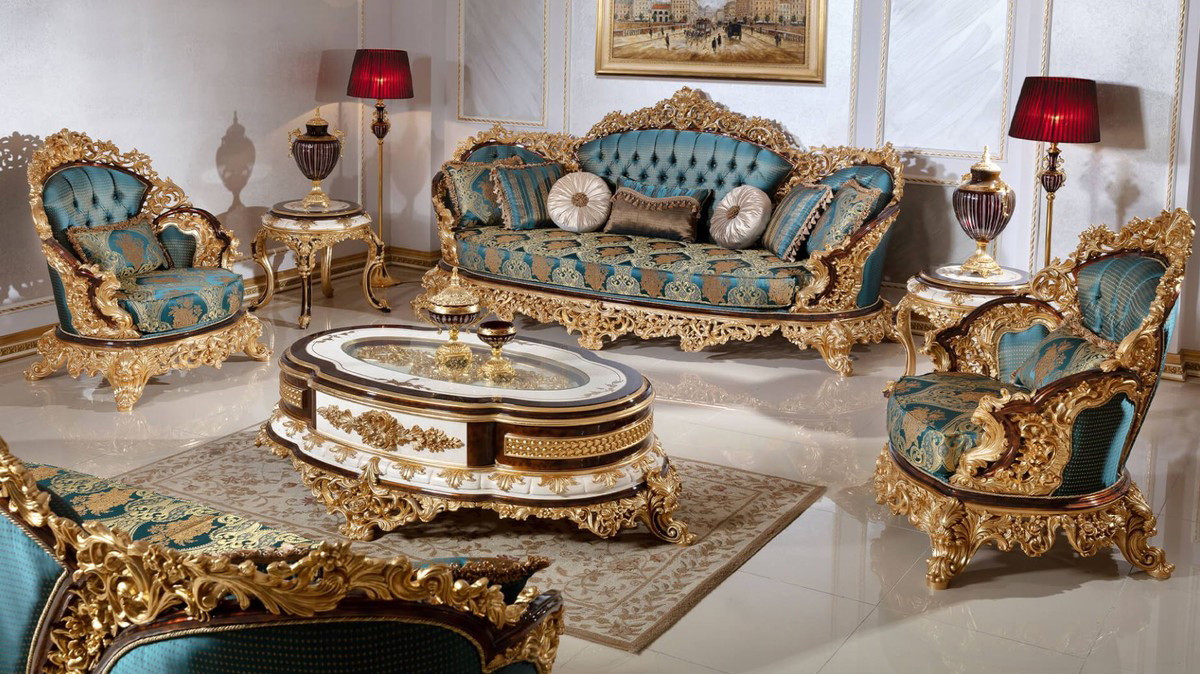
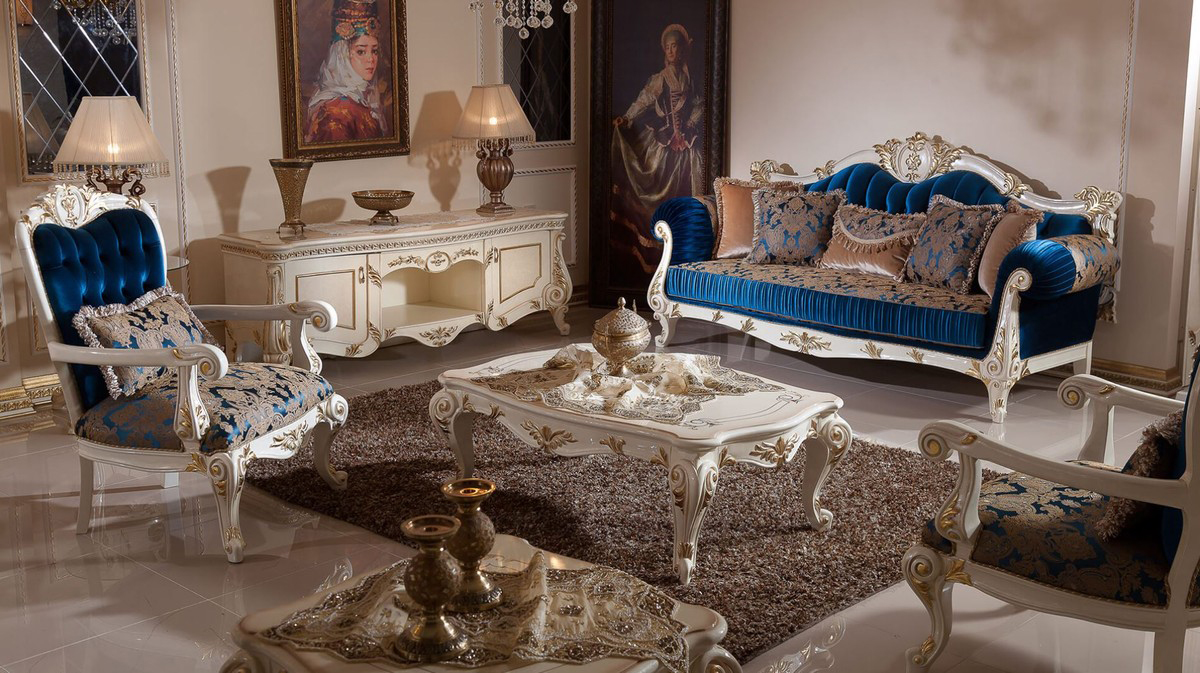
Baroque furniture has experienced a resurgence in luxury hospitality design, offering opulent details and timeless elegance. These handcrafted pieces, often featuring intricate carvings and premium materials, add a sense of grandeur to hotel lobbies, fine dining rooms, and luxury suites.

When incorporating Baroque elements into modern hospitality spaces, balance is key. Mixing ornate pieces with contemporary furniture creates visual interest while maintaining functionality. The craftsmanship involved in creating authentic Baroque furniture ensures that these pieces become heirloom-quality investments for your establishment.

Restaurant and Bar Furniture: Setting the Ambiance

Restaurant and bar furniture plays a critical role in creating the desired ambiance and dining experience. Whether you’re operating a fine dining establishment or a casual bistro, your furniture choices directly impact customer satisfaction and operational efficiency.

Dining chairs must provide comfort for extended periods while maintaining their structural integrity under constant use. Tables should be appropriately sized for the space and designed to facilitate easy cleaning and maintenance. For bar areas, specialized bar stools and counter-height furniture are essential for creating an inviting atmosphere.

Luxury bar furniture, such as that offered by premium furniture manufacturers, combines sophisticated design with commercial-grade durability. These pieces are specifically engineered for high-traffic environments while maintaining the elegant aesthetic that defines luxury hospitality spaces.

Hotel Furniture: Creating Memorable Guest Experiences

Every successful hotel is built on more than just service—it is shaped by the environment guests interact with from the moment they arrive. Thoughtfully selected hotel furniture plays a crucial role in defining that environment. It influences comfort, perception, and the overall emotional connection guests develop during their stay.

Modern travelers expect more than functionality. They seek spaces that feel refined, welcoming, and visually engaging. This is where hotel furniture becomes essential, helping hotels create experiences that guests remember long after they leave.


The Power of First Impressions with Hotel Lobby Furniture

A hotel lobby is more than a waiting area. It is the first point of contact where guests form lasting impressions. Carefully chosen hotel lobby furniture sets the tone and communicates the hotel’s identity instantly.

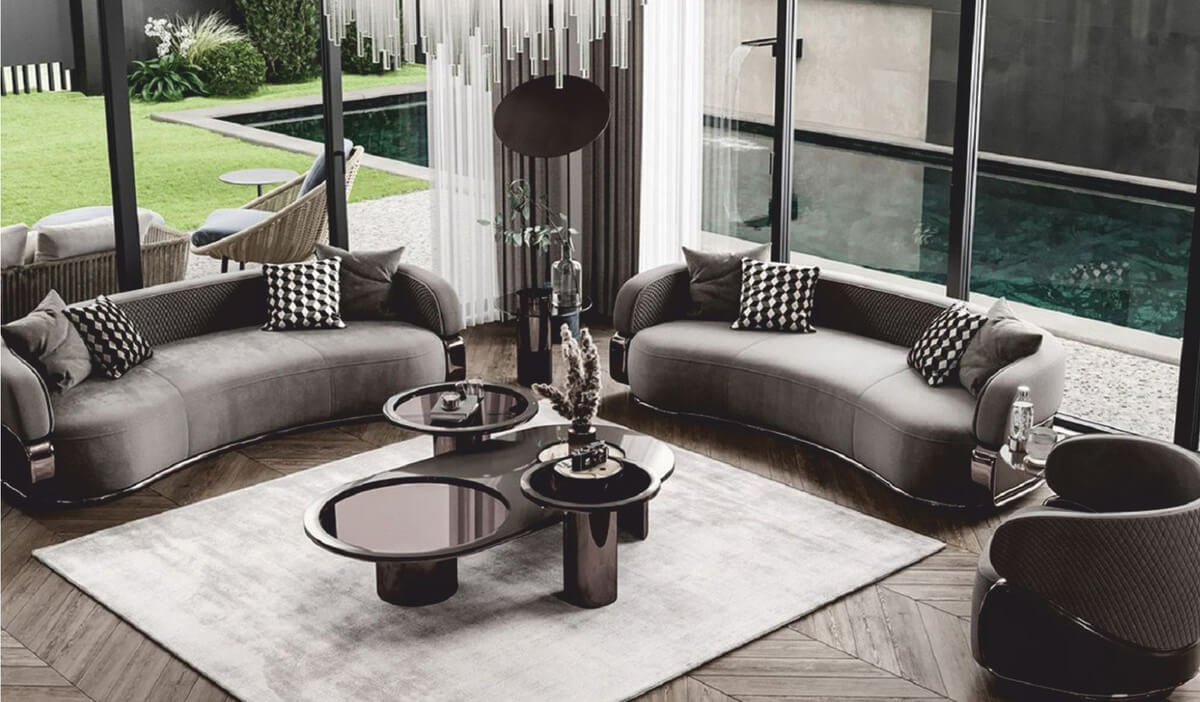
Comfortable seating arrangements encourage guests to relax and feel at ease. Sofas, lounge chairs, and tables should be both stylish and practical. When designed well, they create an inviting atmosphere that reflects professionalism and attention to detail.

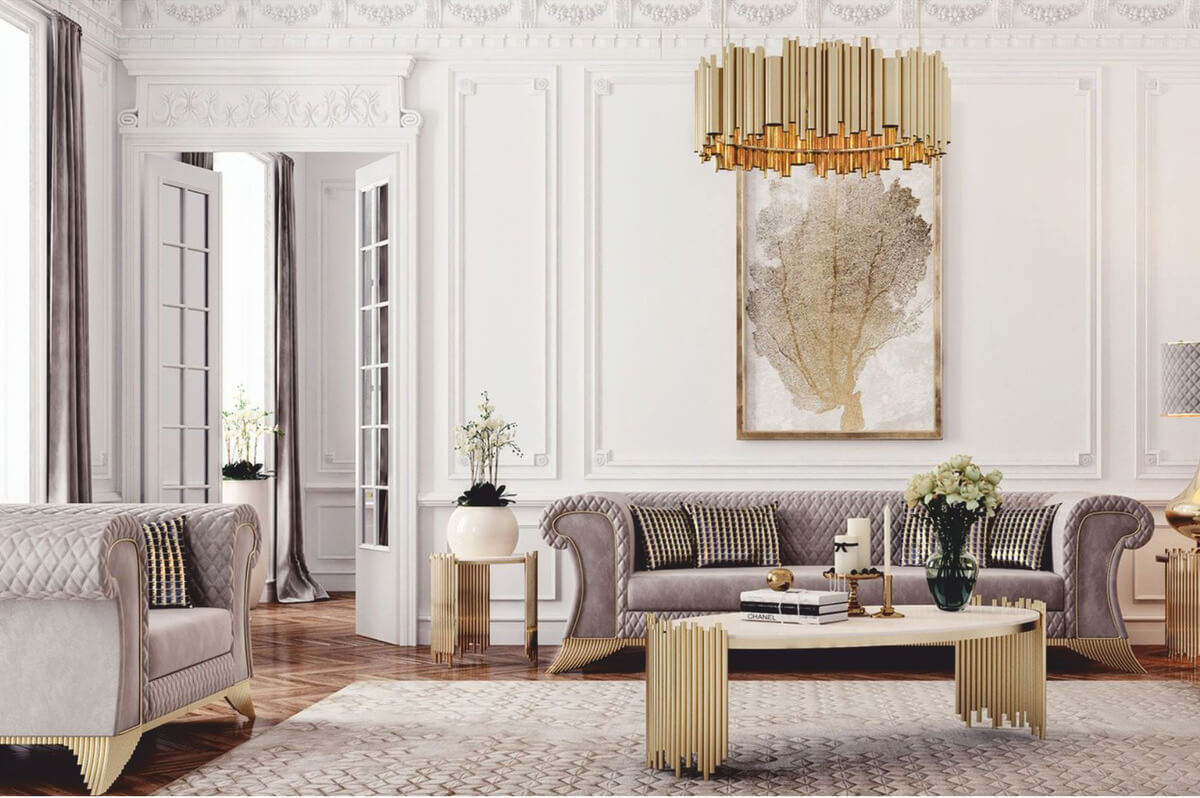
The materials used in hotel furniture also matter. Premium finishes, elegant textures, and cohesive color schemes elevate the visual appeal of the space. A well-designed lobby signals quality and builds trust before guests even reach their rooms.

Spatial planning is equally important. Furniture should be arranged to guide movement naturally, avoiding clutter while maintaining functionality. This balance ensures the lobby feels open, refined, and easy to navigate.


Hotel Room Furniture and the Importance of Comfort

Guest rooms are where the true experience unfolds. This is where hotel room furniture must deliver comfort, convenience, and style in equal measure.

The bed remains the focal point. High-quality construction and materials ensure restful sleep, which is often the most critical factor in guest satisfaction. Beyond the bed, wardrobes, desks, and seating areas must be designed for ease of use while maintaining a cohesive look.

Consistency is key. Each piece of hotel furniture in the room should align with the overall design theme. A unified approach creates a seamless experience that feels curated rather than assembled.

Functionality cannot be overlooked. Guests expect practical solutions for storage, work, and relaxation. Well-designed furniture supports these needs without compromising aesthetics, making the space both efficient and inviting.


Dining Spaces That Enhance Guest Interaction

Dining areas offer opportunities for guests to connect, relax, and enjoy their stay beyond the room. This is where Hotel Dining Furniture contributes significantly to the overall experience.

Chairs and tables must combine durability with comfort. Guests often spend extended periods dining, so ergonomic design plays a vital role. At the same time, the visual appeal of the furniture should complement the ambiance of the space.

The layout of hotel furniture in dining areas influences how guests interact. Adequate spacing ensures privacy, while thoughtful placement encourages a smooth flow of movement. This creates a balanced environment that feels both intimate and open.

Material selection is equally important. Surfaces must withstand frequent use while retaining their refined appearance. High-quality finishes help maintain a consistent and premium look over time.


How Luxury Hotel Furniture Shapes Guest Perception

Guest expectations have evolved significantly. Travelers today are more aware of design and detail, making luxury hotel furniture a key factor in shaping perception.

High-end furniture communicates value and quality. Guests often associate well-designed interiors with superior service, even before experiencing it firsthand. This perception influences satisfaction and encourages positive reviews.

Visual appeal also plays a major role in digital presence. Guests frequently choose hotels based on images. Carefully curated hotel furniture enhances the visual impact of online listings, making properties more attractive to potential guests.

There is also an emotional connection. Comfortable and aesthetically pleasing environments create a sense of relaxation. When guests feel at ease, they are more likely to enjoy their stay and return in the future.


Choosing the Right Hotel Furniture for Long-Term Success

Selecting the right hotel furniture requires careful planning and a clear understanding of the hotel’s identity. Every piece should contribute to the overall guest journey.

Durability remains a top priority. Furniture in hospitality settings must handle constant use without losing its appeal. Investing in high-quality materials ensures longevity and reduces maintenance costs.

Customization offers a distinct advantage. Tailored luxury hotel furniture allows hotels to create unique spaces that stand out in a competitive market. This level of personalization helps reinforce brand identity.

Working with reliable suppliers is equally important. Consistency in quality and timely delivery ensures that expectations are met across all areas, from hotel lobby furniture to hotel room furniture. Strong partnerships help maintain design standards and operational efficiency.


Conclusion

Memorable guest experiences are shaped by more than service alone. The environment plays an equally important role, and hotel furniture is at the heart of that experience.

From the welcoming atmosphere of the lobby to the comfort of guest rooms and the elegance of dining spaces, every element contributes to how guests feel and remember their stay. Thoughtfully selected luxury hotel furniture enhances both aesthetics and functionality, creating spaces that leave a lasting impression.

In an industry driven by experience, attention to detail makes all the difference. With the right approach to hotel furniture, hotels can create environments that inspire loyalty, encourage positive feedback, and set themselves apart from the competition.

Understanding Luxury Hospitality Furniture

The hospitality industry has evolved into an experience-driven space where design plays a crucial role in shaping guest perception. Among the many elements that define a premium stay, luxury hospitality furniture stands out as one of the most influential. It is not just about filling a room with stylish pieces—it is about creating an environment that communicates comfort, elegance, and trust from the very first glance.

For hotel owners and designers, investing in the right hotel furniture is no longer optional. It directly impacts guest satisfaction, online reviews, and even booking decisions. This guide breaks down what defines high-end hospitality furniture, why it matters, and how to choose it strategically.


What Defines Luxury Hospitality Furniture?

At its core, luxury hospitality furniture is a blend of superior craftsmanship, premium materials, and thoughtful design. Unlike standard hotel furniture, it is created to deliver both visual appeal and long-term performance.

Materials play a defining role. Solid wood, high-grade metals, marble finishes, and premium upholstery fabrics are commonly used. These materials are selected not only for their beauty but also for durability, ensuring the furniture maintains its appearance despite constant use.

Design is another key differentiator. Every piece of hospitality furniture in a luxury setting is curated to align with the brand’s identity. Whether it’s a modern minimalist resort or a classic European-style hotel, the furniture must complement the overall theme seamlessly.

Attention to detail is what elevates it further. From stitching patterns on sofas to the polish of a table surface, luxury is often found in the finer elements that guests may not consciously notice—but always feel.


Why Luxury Furniture Matters in Hospitality

Guests form opinions within seconds of entering a hotel. The lobby seating, the texture of a chair, or the finish of a table can instantly communicate quality. This is where luxury hospitality furniture plays a powerful role.

Comfort is one of the most immediate benefits. Well-designed hotel furniture ensures that guests feel relaxed, whether they are sitting in the lobby, dining, or resting in their rooms. Comfortable spaces encourage longer stays and repeat visits.

Perception is equally important. Premium hospitality furniture enhances the perceived value of the property. Guests are more likely to associate high-quality interiors with better service, even before interacting with staff.

There is also a measurable business impact. Hotels that invest in refined interiors often see improved online ratings and higher booking conversions. In competitive markets, the visual appeal of furniture in photos can influence a guest’s decision more than pricing alone.


Key Areas Where Furniture Makes an Impact

Luxury is not limited to guest rooms. It extends across every touchpoint in the hotel.

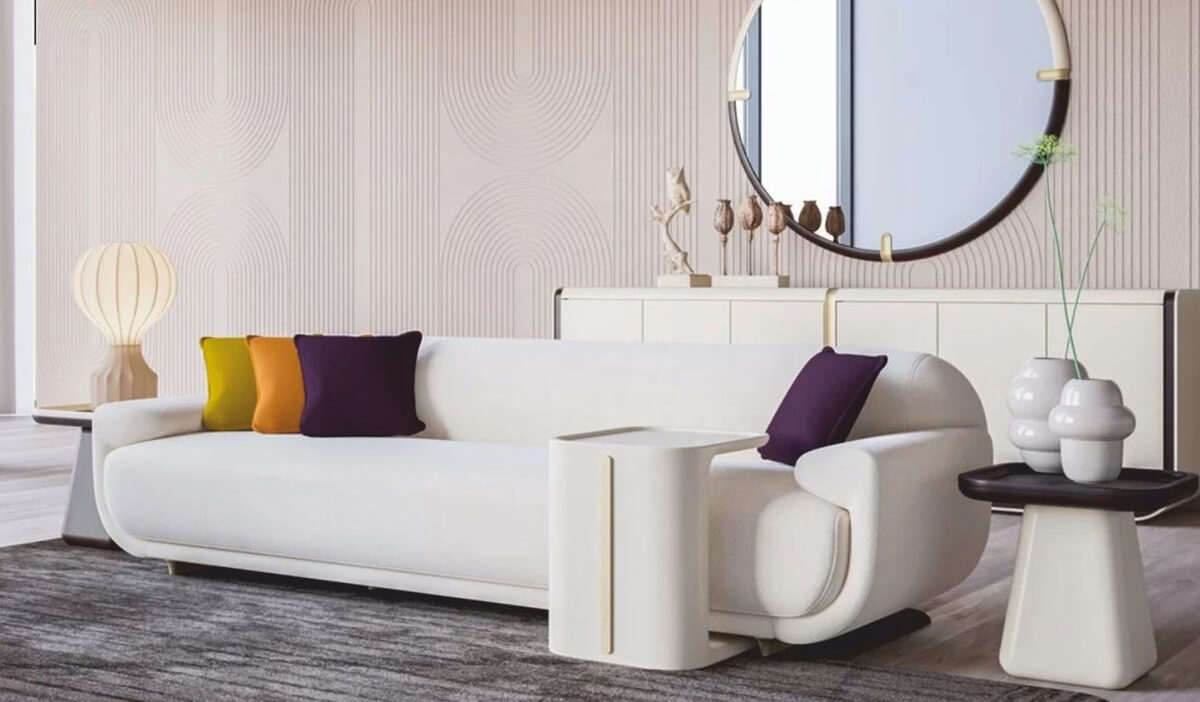
The lobby is often the first impression. Sofas, lounge chairs, and tables define the atmosphere. Carefully selected luxury hospitality furniture here sets the tone for the entire stay.

Guest rooms demand a balance of comfort and functionality. Beds, wardrobes, desks, and seating must work together to create a cohesive experience. High-quality hotel furniture ensures durability while maintaining a refined aesthetic.

Dining areas require both elegance and practicality. Chairs and tables must withstand frequent use while offering comfort during long meals. This is where well-crafted hospitality furniture becomes essential.

Outdoor spaces are increasingly important in modern hospitality. Weather-resistant materials combined with sophisticated design help extend the luxury experience beyond interiors.


How to Choose the Right Hospitality Furniture

Selecting the right luxury hospitality furniture involves more than choosing attractive designs. It requires a strategic approach aligned with business goals.

Start with your brand identity. The furniture should reflect the personality of your hotel. A boutique property may opt for bold, artistic pieces, while a luxury chain may prefer timeless elegance.

Durability is critical. High traffic means furniture must withstand daily wear without losing its appeal. Investing in premium hotel furniture reduces long-term replacement costs.

Customization can offer a competitive advantage. Tailored hospitality furniture allows hotels to create unique spaces that stand out in a crowded market.

Logistics and supplier reliability also matter. Working with experienced providers ensures consistency in quality and timely delivery. Brands like Luxury Group International have built a reputation for combining design expertise with dependable production standards.


The Role of Trends in Luxury Hospitality Furniture

While timeless design remains important, trends continue to shape modern interiors. Today’s luxury hospitality furniture often reflects a blend of aesthetics and functionality.

Sustainability is becoming a major influence. Eco-friendly materials and responsible sourcing are increasingly valued by both hotels and guests.

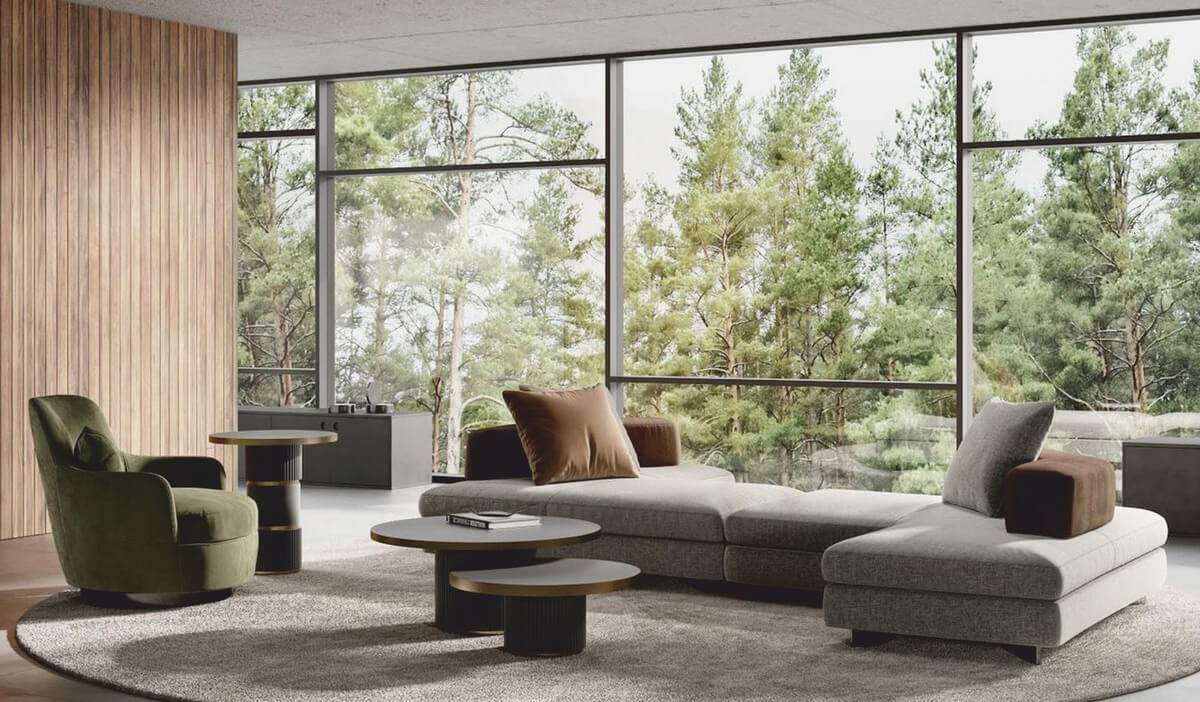
Minimalism is another key trend. Clean lines, neutral tones, and uncluttered spaces create a calming environment that appeals to modern travelers.

Technology integration is also gaining traction. Furniture that supports charging, connectivity, and smart features enhances convenience without compromising design.


Conclusion

Understanding luxury hospitality furniture is essential for anyone involved in hotel design or management. It is more than a decorative element—it is a strategic investment that shapes guest experience, strengthens brand identity, and drives business results.

From the lobby to the guest room, every piece of hotel furniture contributes to the overall narrative of the space. By focusing on quality, design alignment, and long-term value, hotels can create environments that leave a lasting impression.

In a world where guests have endless choices, the right hospitality furniture can be the difference between a one-time visit and a loyal customer. Thoughtful investment in this area not only elevates interiors but also positions a property as truly exceptional.
The Ultimate Guide to Hospitality Furniture Selection

When it comes to creating memorable guest experiences in hotels, restaurants, and luxury hospitality venues, the right furniture selection plays a crucial role. Premium hospitality furniture not only enhances the aesthetic appeal of your establishment but also ensures comfort, durability, and functionality that meets the demands of high-traffic environments.

In today’s competitive hospitality industry, interior design and furniture choices can make or break a guest’s first impression. Whether you’re furnishing a five-star hotel lobby, a fine dining restaurant, or a luxury bar, understanding the key factors in furniture selection is essential for success.