Luxury hotels are increasingly embracing design strategies that combine historic grandeur with contemporary sophistication. Among these, Baroque-inspired interiors have made a notable comeback, offering a rich visual language that elevates the guest experience while creating Instagram-worthy spaces that capture attention in both social and press coverage.
Why Baroque Works in Modern Hospitality
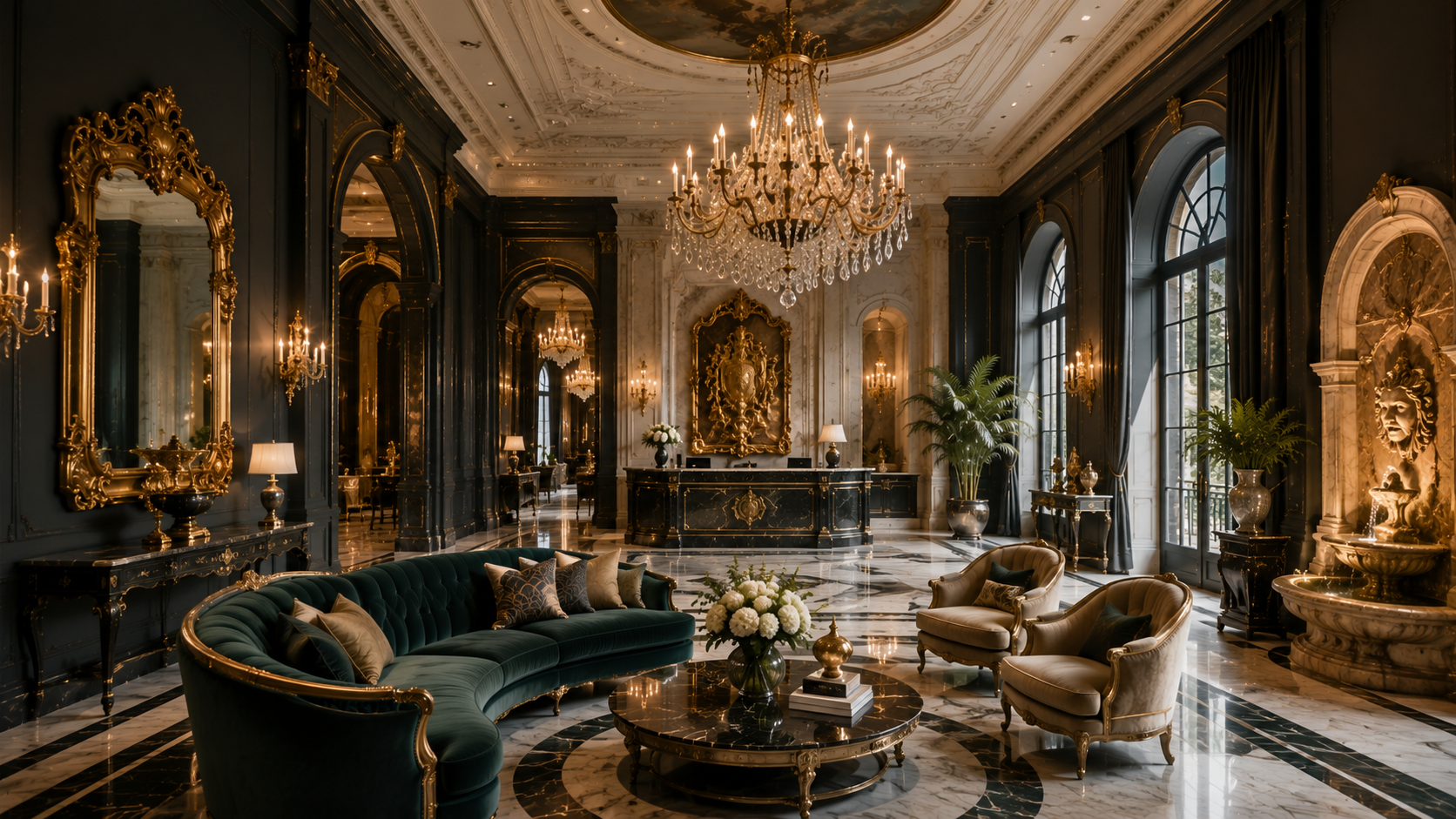
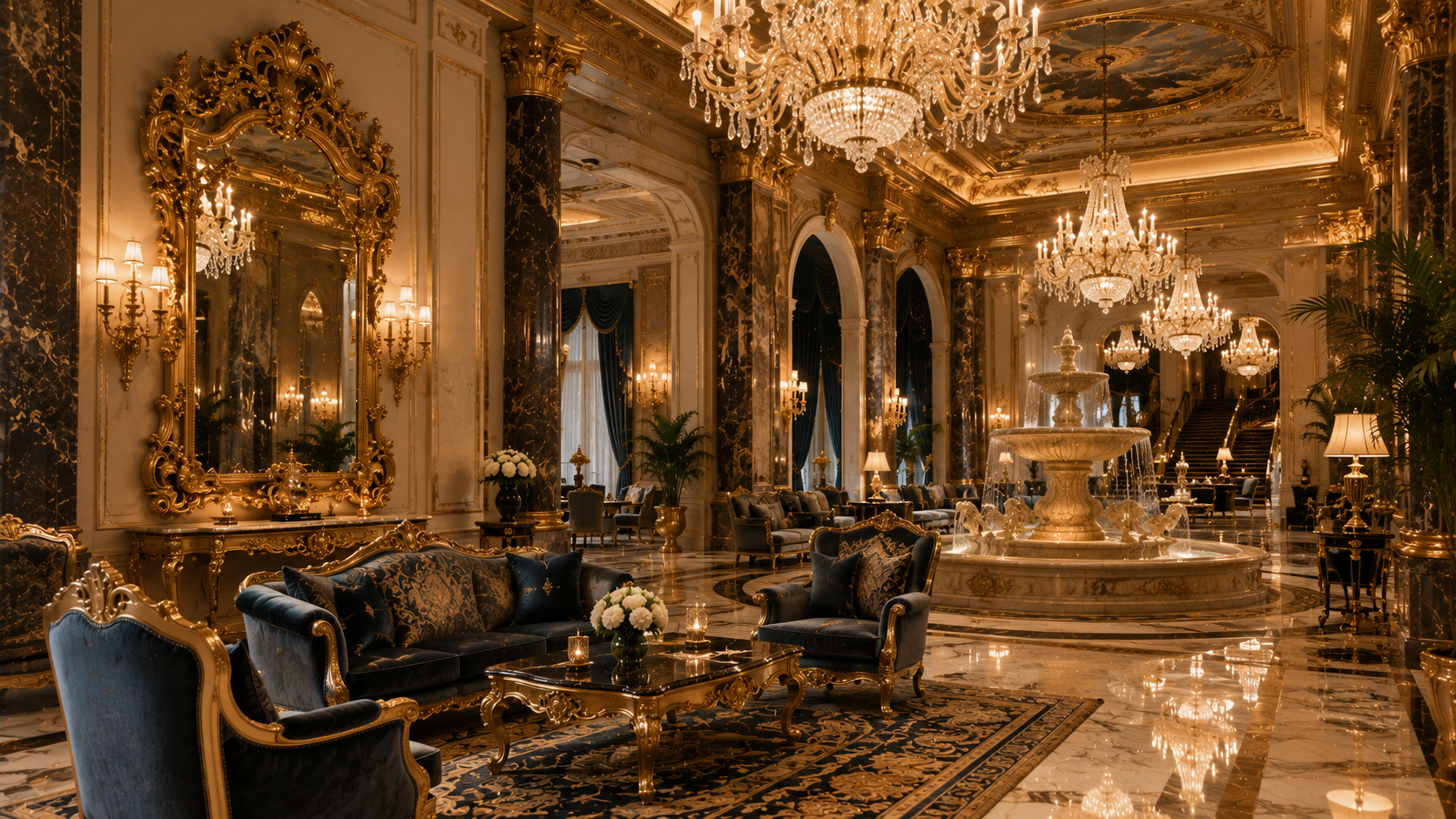
Luxury hotel interior design often demands a balance between visual drama and functional elegance. Baroque elements—ornate detailing, gilded accents, and sculptural forms—provide a sense of opulence and history. When integrated thoughtfully, they create an immersive environment that communicates exclusivity and sophistication. European hotels, in particular, have leveraged Baroque decoration to differentiate their brand identity, establishing interiors that are both timeless and photogenic.
Key Elements to Consider
Implementing a Baroque revival in hospitality requires more than adding ornate furniture; it’s about creating a cohesive visual ecosystem. Consider these elements:
- Baroque Dining Sets: Tables and chairs with carved details and luxurious upholstery define formal dining areas while offering functional comfort for guests.
- Baroque Mirrors: Oversized, gilded mirrors expand space visually and reflect ambient lighting, amplifying the sense of grandeur.
- Baroque Lighting: Chandeliers and sconces with intricate detailing create ambient layers of light, highlighting textures and architectural features.
- Baroque Fountains and Sculptures: Decorative fountains or sculptural accessories serve as dramatic focal points in lobbies or terraces, enhancing the sensory experience of luxury.
Balancing Ornate and Contemporary
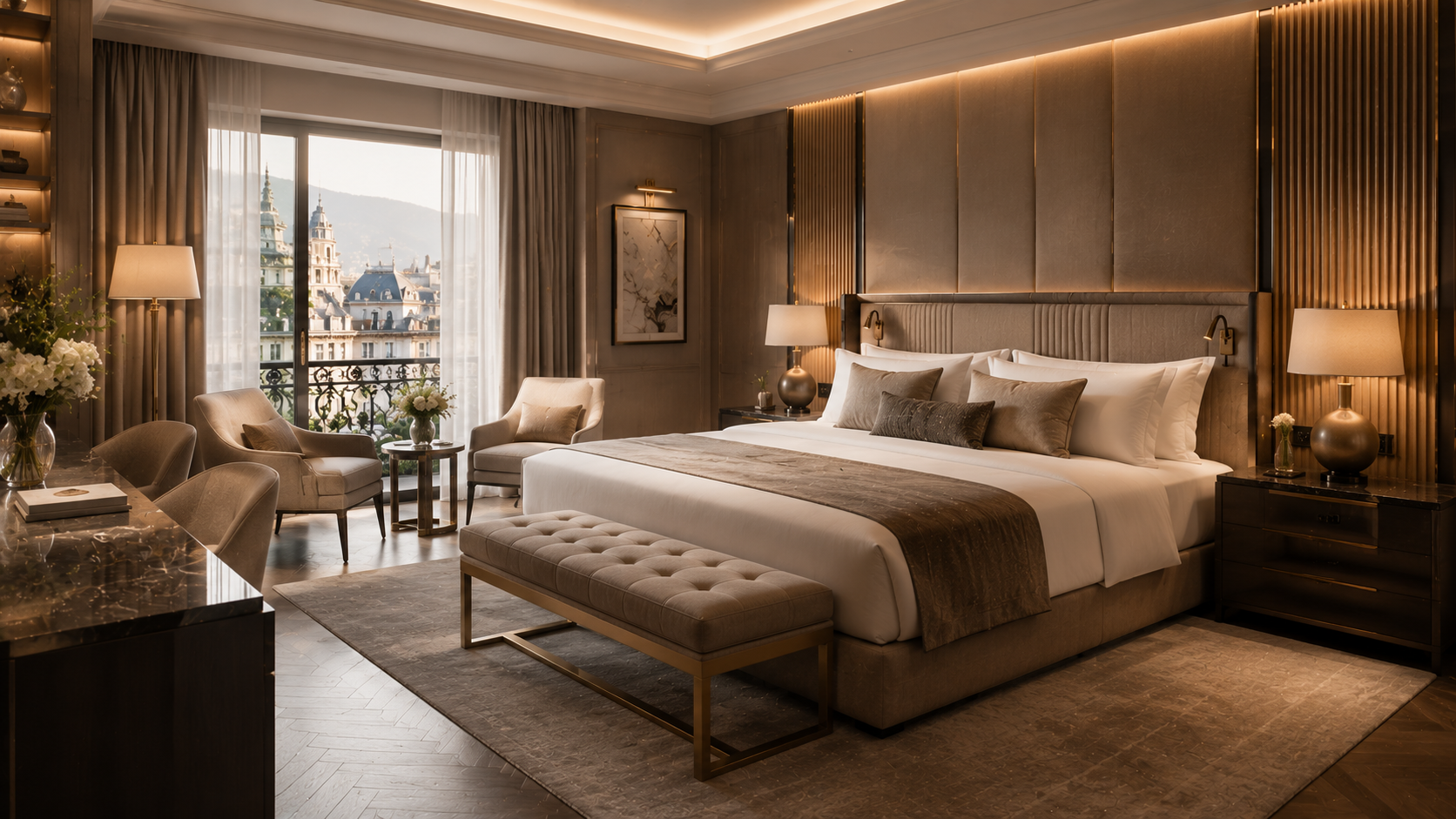
The success of Baroque in modern hotels lies in balance. Overcrowding a space with elaborate elements can feel dated or theatrical, whereas thoughtful integration can enhance elegance without overwhelming the guest. Contemporary finishes, clean lines, and subtle color palettes act as counterpoints to ornate forms. For example, pairing a Baroque mirror with neutral walls or a gilded chandelier with minimalist seating areas allows the design to feel modern while honoring historic motifs.
Styling and Spatial Harmony
- Curate Focal Points: Use Baroque pieces as anchors in the room, ensuring each ornate item serves a clear visual purpose.
- Material Contrasts: Combine polished metals, marble, and luxurious textiles with gilded wood and carved detailing to create texture and depth.
- Layered Lighting: Mix ambient, task, and accent lighting to highlight both contemporary and Baroque features.
- Spatial Breathing: Ensure adequate negative space around ornate furniture to avoid visual clutter, allowing each piece to shine individually.
Strategic Impact
For interior architects and luxury hotel brands, Baroque interiors offer both experiential and commercial advantages. Beyond aesthetics, they foster a sense of exclusivity, encourage guest interaction, and generate media coverage. Baroque-inspired furniture, mirrors, and lighting contribute to higher visual appeal, enhancing the perceived value of the property while creating spaces that are highly shareable online.
Final Thoughts
In 2026, the Baroque revival in luxury hotels represents a strategic approach to design—one that combines historical richness with contemporary elegance. Carefully curated Baroque dining sets, mirrors, lighting, and fountains can transform lobbies, suites, and dining areas into immersive environments that capture attention, delight guests, and elevate brand prestige. When executed thoughtfully, this bold interior strategy not only enriches luxury hotel decoration but also positions the property as a destination of style, sophistication, and enduring appeal.